
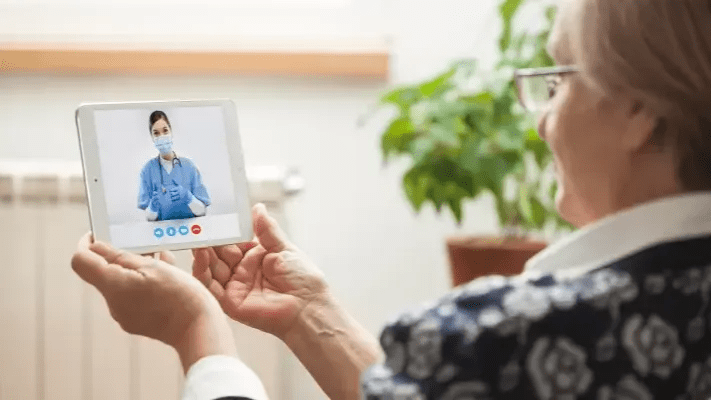
The healthcare industry is currently going through a significant metamorphosis, and telemedicine is one of the principal actors in this entire process. What was once a superfluous and impossible thought seeing and having a doctor through a screen is now accepted as a routine part of the modern medical practice all over the world. Telemedicine is changing the patient’s way to get care; it is also changing the doctor’s way to deliver the service, and the health care systems are getting more efficient because of it.
With digital health platforms, cloud, and data security, telemedicine is not just an option but is becoming a primary mode of healthcare delivery.
What Is Telemedicine?
Telemedicine means distance medicine and is the use of digital means for medical care. It facilitates the patients in their consultation with doctors, receiving diagnosis, health conditions monitoring, and getting medicine prescriptions without the need of being in the hospital or clinic physically.
Telemedicine consists of:
Video consultations
Online appointment scheduling
Remote patient monitoring
Digital prescriptions
Virtual follow-ups
Mobile health apps
AI-assisted consultations
This technique turns out to be an accessibility enhancer, an efficiency booster, and a patient-friendly approach in healthcare.
Improving Access to Healthcare
Better access is one of the most significant advantages of telemedicine and it benefits predominantly those people residing in far flung areas or in regions with no proper medical facilities.
Ways telemedicine makes access easier
Patients from remote locations can get in touch with specialists.
Old patients do not have to undergo travel hassles.
People with disabilities can get treatments without leaving their homes.
Professionals manage to squeeze in doctor’s appointments as it takes them less time.
Help over the phone in case of a patient emergency.
Telemedicine is removing the distances as a barrier and making it certain that the healthcare of high quality is not affected by the area.
Convenience for Patients and Doctors
The conventional healthcare system frequently entails lengthy waiting periods, patient transport, and busy hospital buildings. That said, telemedicine offers an instant solution to these problems by providing immediate care.
Patients’ sides:
- There is no need for traveling
- Waiting times are shorter
- Scheduling is flexible
- Follow-ups are easy
- There is less risk of infection
Doctors’ sides:
- Well-organized appointment management
- Less burden of administrative work
- Stronger patient interaction
- Flexible working options
- More efficient use of time
The comfort in this process corresponds to the patients’ happiness and to the healthcare professionals’ productivity.
Cost-Effective Healthcare Delivery
Telemedicine drastically cuts down the healthcare expenses for both the patients and the providers.
The advantages of the cost-saving benefits include:
fewer hospital visits.
less investment in the infrastructure.
lesser admissions to the emergency wards.
transport cost savings.
better allocation of medical resources.
Supporting Chronic Disease Management
Telemedicine has an immense impact in the area of chronic disease management, for instance, it is the case with:
- Diabetes
- Hypertension
- Cardiovascular disease
- Asthma
- Mental disorders
Support that telemedicine gives to chronic care:
- Virtual visits at regular intervals
- Wearable devices for remote monitoring
- Tracking of digital health records
- Drug adjustments on time
- Engagement of patients continuously
This preventive tactic minimizes the number of hospital admissions and improves the health outcomes in the long run.
Enhancing Preventive Healthcare
Preventive care is the future of healthcare, and telemedicine makes it more achievable.
Telemedicine enables:
- Early detection of health issues
- Routine screenings
- Health education and counseling
- Lifestyle coaching
- Mental health support
By focusing on prevention rather than treatment, telemedicine helps reduce disease burden and healthcare costs.
Strengthening Data Management and Continuity of Care
Telemedicine systems have been developed such that they work alongside or integrate seamlessly with Electronic Health Records (EHRs) and digital health platforms.
Benefits of integration:
- Centralized patient data
- Accurate medical histories
- Seamless information sharing
- Better diagnosis and treatment planning
- Reduced medical errors
Ensuring Safety and Data Privacy
The security of data has been one major issue concerning telemedicine. The modern telehealth platforms have tackled this issue with:
- End-to-end encryption
- Secure cloud infrastructure
- Role-based access controls
- Compliance with healthcare regulations
- Patient consent management
Strong cybersecurity measures will increase trust among patients and healthcare providers thereby making telemedicine a safe option.
Telemedicine and Mental Health Care
Telemedicine has brought about a huge change in mental health services’ domain.
Key benefits:
- Reduced stigma
- Greater privacy
- Easier access to therapists
- Regular follow-up sessions
- Crisis support availability
Virtual mental health care has been especially efficient in treating anxiety, depression, stress, and post-traumatic conditions.
The Future of Telemedicine
Telemedicine will go on developing in parallel with technology advancements.
Future trends are:
- AI-assisted diagnosis
- Remote surgeries with robotic assistance
- Wearable-integrated monitoring
- Personalized virtual care plans
- Real-time health analytics
- Global teleconsultations
Healthcare systems that will take telemedicine early will be the ones that will be most equipped in the future challenges and patient needs.
Conclusion
Telemedicine has ceased being a mere temporary solution and is now one of the main forces shaping the future of healthcare. It has enabled the healthcare system to be more accessible, cheaper, and patient-centered.
